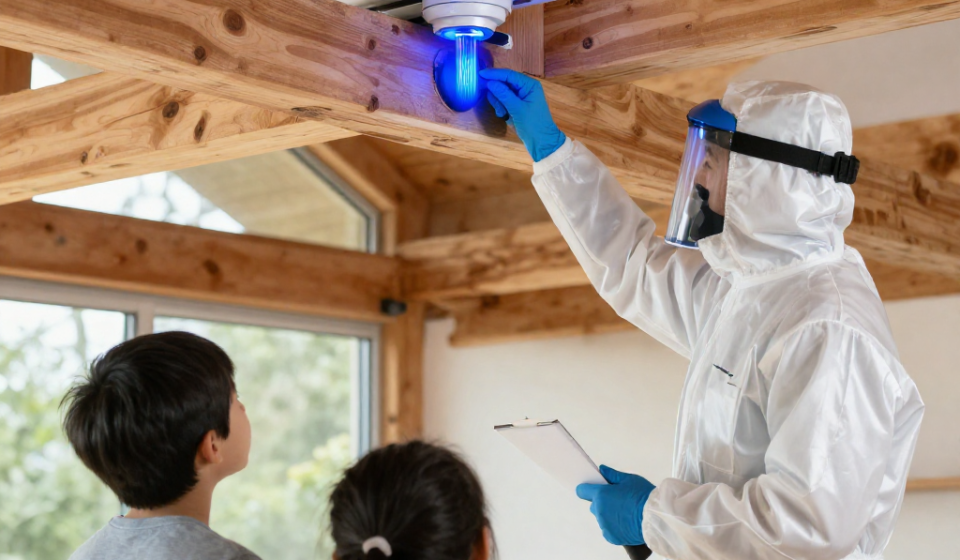

Wooden homes offer warmth, character, and excellent natural insulation, making them a popular choice for everything from traditional cottages and timber-frame houses to modern log cabins. When properly maintained, these homes can remain strong and beautiful for generations. However, homes located in humid climates—or those with poor ventilation and persistent moisture—are more susceptible to mold growth.
Mold is more than a cosmetic issue. It can stain wooden surfaces, create unpleasant odors, and indicate excessive moisture that may eventually contribute to fungal decay or structural damage if left unresolved. While mold does not directly cause woodworm infestations, damp conditions that support mold growth can also create an environment that is more favorable for certain wood-boring insects.
The good news is that mold is largely preventable. By managing humidity, improving ventilation, repairing leaks promptly, and maintaining wooden structures, homeowners can significantly reduce the risk of mold and extend the lifespan of their timber.
In this guide, you’ll learn practical and effective ways to prevent mold in humid wooden homes.
Why Humid Homes Are More Vulnerable
Wood naturally absorbs and releases moisture depending on the surrounding environment.
In humid conditions, timber may:
- Absorb excess moisture
- Dry more slowly
- Experience prolonged dampness
- Become more susceptible to mold growth
- Be at greater risk of fungal decay if moisture persists
Controlling moisture is the foundation of mold prevention.
Common Causes of Mold in Wooden Homes
Mold usually develops because of excess moisture rather than the wood itself.
Common causes include:
- High indoor humidity
- Roof leaks
- Plumbing leaks
- Poor ventilation
- Condensation
- Flooding
- Poor drainage around the property
Identifying and correcting the source of moisture is the first step toward preventing mold.
Improve Ventilation
Good airflow helps remove excess moisture and allows timber to dry naturally.
Pay special attention to:
- Attics
- Roof spaces
- Crawl spaces
- Basements
- Bathrooms
- Kitchens
- Utility rooms
Where appropriate, use exhaust fans or mechanical ventilation to improve air circulation.
Monitor Indoor Humidity
Indoor humidity should remain within a comfortable range to reduce the likelihood of mold growth.
Use a hygrometer to monitor humidity levels throughout the year, particularly during humid seasons.
If indoor humidity remains consistently high, a dehumidifier may help reduce excess moisture.
Repair Leaks Immediately
Even small leaks can create ideal conditions for mold if left unattended.
Inspect regularly for:
- Roof leaks
- Plumbing leaks
- Window leaks
- Water entering around doors
- Damaged flashing
Prompt repairs prevent moisture from spreading into wooden structures.
Maintain Gutters and Drainage
Rainwater should be directed away from the building.
Regularly:
- Clean gutters.
- Inspect downpipes.
- Clear drainage channels.
- Ensure water flows away from the foundation.
Good drainage reduces the amount of moisture reaching structural timber.
Allow Wood to Dry
After cleaning, spills, or heavy rain, ensure wooden surfaces dry as quickly as possible.
For outdoor structures:
- Remove standing water.
- Improve airflow.
- Trim surrounding vegetation if it blocks ventilation.
Dry wood is less likely to support mold growth.
Protect Exterior Timber
Exterior wood should be protected using suitable products such as:
- Exterior wood stains
- Protective sealants
- Wood oils
- Weather-resistant coatings
Maintain these finishes according to the manufacturer’s recommendations to reduce moisture penetration.
Inspect Wooden Structures Regularly
Routine inspections help detect problems before they become serious.
Check:
- Roof beams
- Floor joists
- Exterior cladding
- Decks
- Pergolas
- Window frames
- Door frames
Look for:
- Water stains
- Surface discoloration
- Soft timber
- Musty odors
- Peeling finishes
Early intervention usually prevents more extensive repairs.
Keep Indoor Spaces Clean
Dust and organic debris can trap moisture in some areas.
Regular housekeeping helps:
- Improve airflow around furniture
- Reduce moisture buildup
- Make mold easier to detect
- Support overall indoor cleanliness
Avoid storing damp items directly against wooden walls.
Prevent Condensation
Condensation commonly forms on windows, walls, and cold surfaces.
Reduce condensation by:
- Improving ventilation.
- Using extractor fans while cooking or showering.
- Drying clothes in well-ventilated areas.
- Maintaining consistent indoor temperatures.
Managing condensation helps protect wooden structures from long-term moisture exposure.
Modern Woodworm Treatment Options
If an active woodworm infestation is confirmed, treatment depends on:
- Beetle species
- Severity of infestation
- Structural condition
- Accessibility
Professional options include approved chemical treatments and modern heat-based technologies.
Microwave Woodworm Treatment
One increasingly popular chemical-free option is microwave woodworm treatment.
Professional microwave equipment uses dielectric heating to generate controlled heat inside timber.
The treatment is designed to eliminate:
- Woodworm larvae
- Beetle eggs
- Pupae
- Adult wood-boring beetles
Benefits
- Chemical-free
- No pesticide residues
- Localized treatment
- Environmentally responsible
- Suitable for many heritage buildings
- Helps preserve original structural timber
A timber preservation specialist can determine whether this treatment is appropriate if an active infestation is identified.
Mold Prevention Checklist
To help prevent mold:
- Monitor indoor humidity.
- Improve ventilation.
- Repair leaks promptly.
- Maintain gutters and drainage.
- Protect exterior timber.
- Inspect wooden structures regularly.
- Dry wet areas quickly.
- Address moisture problems immediately.
Consistent preventive care is the most effective long-term strategy.
Common Mistakes to Avoid
Avoid these common errors:
- Ignoring small leaks.
- Blocking ventilation openings.
- Painting over mold without fixing the moisture source.
- Allowing standing water around the property.
- Delaying maintenance after storms.
Correcting moisture issues early prevents larger problems later.
Common Myths About Mold Prevention
Myth 1: Mold Only Grows in Old Homes
Fact: Mold can develop in both new and old buildings whenever excess moisture and poor ventilation are present.
Myth 2: Wooden Homes Always Develop Mold in Humid Climates
Fact: Proper ventilation, moisture control, and regular maintenance can greatly reduce the risk, even in humid regions.
Myth 3: Mold Will Disappear Once the Weather Improves
Fact: While drier conditions may slow mold growth, the underlying moisture problem should still be identified and corrected to prevent recurrence.
When Should You Contact a Professional?
Professional advice is recommended if you notice:
- Persistent mold growth.
- Musty odors.
- Soft structural timber.
- Roof or plumbing leaks.
- Fungal decay.
- Fresh frass or exit holes.
- Moisture problems that continue despite repairs.
A qualified timber preservation specialist or building surveyor can identify the source of moisture, assess the condition of the timber, and recommend the most appropriate repair or treatment plan.Visit online https://www.shashel.eu for more details.
Conclusion
Preventing mold in humid wooden homes begins with controlling moisture. By improving ventilation, monitoring indoor humidity, repairing leaks promptly, maintaining gutters, protecting exterior timber, and inspecting wooden structures regularly, homeowners can significantly reduce the risk of mold while preserving the beauty and durability of their homes.
If wood-boring insects are also discovered, professional treatment—whether through approved chemical products or modern chemical-free technologies such as microwave woodworm treatment—can help eliminate active infestations while preserving valuable structural timber. Combined with good moisture management and routine maintenance, these practices provide long-term protection for wooden homes in even the most humid environments.